
For any ambitious clothing brand manufacturing its own line, a deep understanding of fabric composition is paramount. Specifically, grasping the nuances of cotton, polyester, and their blended counterparts is critical. A thorough comprehension of cotton blends allows you to engineer a more functional and tailored clothing line that precisely meets the needs and demands of your target audience.
To clarify everything about polyester material, what it feels like, and the value of blended fabrics, we have crafted this comprehensive guide. Let’s delve in and explore the essential information regarding cotton, polyester, and the powerful synergy of blended materials.
🔑 Summary: Key Takeaways on Fabric Blends
- Enhanced Fabrics: Blended fabrics offer superior qualities, combining durability, comfort, softness, and sometimes biodegradability.
- Customization Champion: Cotton fabric is excellent for customization, easily accommodating various printing and design techniques.
- The Power of the Poly-Cotton Blend: Combining polyester and cotton merges the best of both worlds. Cotton, for instance, lacks quick-drying properties, but when blended with polyester, the resulting fabric offers sharp drying features and increased durability.
- Purpose-Driven Manufacturing: When creating a new clothing line, understanding the sole purpose of the garments is essential for determining the optimal fabric quality and blend ratio.
🌿 The Natural Choice: Understanding Cotton Fabric
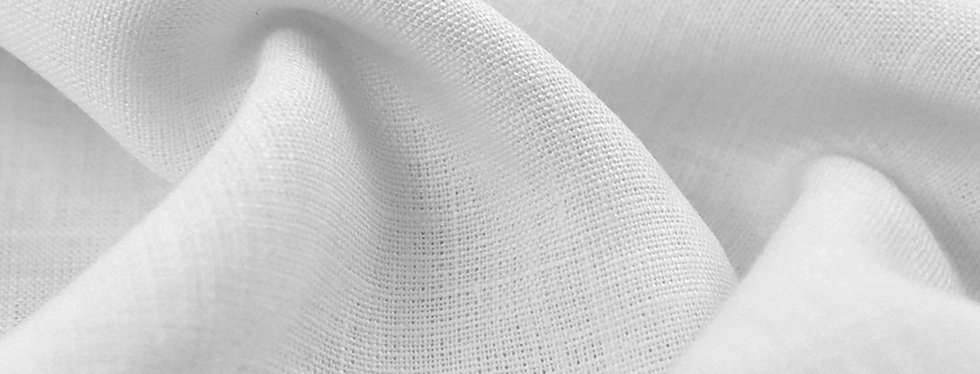
Cotton is arguably the most common, popular, and widely utilized apparel material in the entire fashion industry. As a natural, cost-effective fiber, it is cherished for its soft feel and inherent durability, making it a staple for apparel manufacturing worldwide.
Cotton is incredibly versatile and easily blended with other fibers such as polyester, spandex, linen, and rayon. Its defining characteristics—softness and durability—make it ideally suited for warm climates as it is not clingy. Consumers love cotton for its year-round comfort. However, a crucial note for clothing manufacturers is that pure cotton is not recommended for activewear manufacturing due to its tendency to absorb and hold moisture.
⭐ Popular Varieties of Cotton
This versatile fabric comes in several kinds, each offering a slightly different texture and quality:
- Ringspun Cotton
- Pima Cotton (known for extra-long staple fiber)
- Pique Cotton (textured knit)
- Organic Cotton
- Slub Cotton (distinctive texture)
- Combed Cotton (smoother finish)
✅ Advantages of Pure Cotton Fabrics
- Excellent Breathability: Cotton allows air to circulate optimally, making it comfortable in heat.
- Natural Durability: It offers excellent resistance to wear and tear.
- All-Season Wear: Suitable for wear across all four seasons.
- Easy Care: Simple to wash and maintain without complex washing machine requirements.
- Versatility for Design: Ideal canvas for various decoration methods, including screen printing, DTG printing, and embroidery.
🤝 Prime Blending Options for Cotton

Cotton is frequently blended to introduce specific features it naturally lacks, such as stretch or wrinkle resistance. Key blending partners include:
- Polyester (for quick-drying and durability)
- Spandex (for elasticity and stretch)
- Linen (for added texture and coolness)
- Rayon (for drape and softness)
- Wool and Cashmere (for warmth and luxury)
🧪 The Synthetic Contender: All About Polyester

Polyester is a synthetic, manufactured material, derived from petroleum-based products. Despite being a newer player in the industry compared to cotton, polyester fabric has rapidly gained popularity. It is highly valued for its soft feel, comfortable look, durable material, and inherently stretchy structure.
As a hydrophobic fabric, polyester resists water absorption, giving it exceptional quick-drying features. However, pure polyester is not as breathable as cotton, meaning it can trap heat and moisture, making it less than ideal for warm weather or as a standalone fabric for everyday t-shirts. On the plus side, it is highly shape-retentive and works well for form-fitting apparel. Its superior durability makes it a popular choice for children’s clothing manufacturing.
Note for Manufacturers: While pure polyester can be difficult to print over, modern advanced printing methods and specialized sublimation dyes have made it easy to achieve high-quality prints with vibrant, long-lasting colors.
✅ Advantages of Polyester Fabrics
- Quick Drying: Excellent for athletic and sportswear, keeping the body feeling cooler and drier.
- Wrinkle and Shrinkage-Resistant: Retains its shape and doesn’t wrinkle easily, even when wet.
- Superior Durability: As a synthetic material, it withstands more industrial-grade wear and tear than cotton.
- Excellent Color Retention: Maintains its vibrant color for longer periods without fading.
- Blending Versatility: Easily mixes with other materials to mitigate issues like skin sensitivity.
🤝 Prime Blending Options for Polyester
- Cotton Polyester Blend (the most popular for everyday apparel)
- Polyester Nylon Blend (for robust outerwear)
- Polyester Rayon Blend (for a softer drape and feel)
- Polyester Linen Blend (for summer wear with wrinkle resistance)
🏆 The Ultimate Hybrid: The Cotton-Polyester Blend

The polyester-cotton blend (or poly-cotton) is widely considered one of the best blends for manufacturing versatile clothing apparel. These blends are strategically created to introduce a material with unique and balanced properties by offsetting the drawbacks of each single fiber.
For instance, the poly-cotton blend significantly reduces shrinkage compared to pure cotton and introduces quick-drying and shape-retention features from the polyester component. A common and highly effective ratio is 65% cotton and 35% polyester, which results in a balanced fabric ideal for t-shirts, polo shirts, and more. This blend is often less costly than apparel made of 100% pure cotton or pure polyester.
❓ Cotton vs. Polyester: Which is Superior?
While both cotton and polyester excel in their specific applications, for overall versatility, performance, and comfort, the cotton-polyester blend is often the superior choice. The blend works by having the fibers complement each other: cotton adds the crucial element of breathability, while polyester ensures durability, color retention, and resistance to wrinkles and shrinkage.
👕 Ideal Applications for the Cotton and Polyester Blend
The poly-cotton blend is widely used across various apparel categories in the fashion industry due to its balanced properties:
Casual & Everyday Wear
- T-shirts and Polo shirts
- Sweatshirts and Hoodies
- Casual shorts and pants
Performance & Uniforms
- Sportswear and Athletic Jerseys
- Work Uniforms and Team Wear
- Basic tops and bottoms
Specialty Items
- Outdoor Jackets & Camping Gear
- Children’s Playwear
- Bed Sheets and Essentials
⭐ Conclusion: Strategic Fabric Selection
This detailed guide should fully answer your question about “Is cotton better than polyester.” The reality is that the polyester and cotton blend is the new standard in the apparel industry, leveraging the best features of both fibers while mitigating their individual weaknesses. The poly-cotton blend is often more affordable than pure alternatives. When considering the poly-cotton blend for your clothing line, always evaluate several factors: the garment’s purpose, fiber ratio, weight, design compatibility, and environmental impact. For consistent quality in mass production, connect with a reliable clothing manufacturer.
❓ Frequently Asked Questions (FAQ)
Q1: Is cotton or polyester better for activewear clothing lines?
A: Polyester or a high-polyester blend is generally superior for activewear. Pure cotton retains sweat, which can lead to discomfort. Polyester’s quick-drying (hydrophobic) and durability features make it ideal for performance garments. You can consult a professional clothing manufacturer for performance blend ratios.
Q2: What is the best blend ratio for a standard everyday T-shirt?
A: The 65% cotton / 35% polyester blend is often cited as the best for standard t-shirts. This ratio provides the softness and breathability of cotton with the wrinkle resistance and durability of polyester.
Q3: Does the poly-cotton blend shrink less than 100% cotton?
A: Yes. One of the main benefits of adding polyester is its superior resistance to shrinkage. Poly-cotton blends maintain their size and shape much better than 100% cotton garments after washing.
Q4: Are there any drawbacks to using a polyester blend for printing?
A: While the blend is highly versatile, manufacturers must use specific printing methods, like sublimation or specialized inks, for high-polyester content, as traditional plastisol inks might not adhere as well as they do to 100% cotton. Work with your clothing manufacturer to confirm the best print method for your chosen blend.